Everything you need to know about scoliosis and treatment options
Scoliosis is a condition that affects people of all ages, from children to adults, and can range in severity. Some individuals may only have mild symptoms, while others experience more noticeable changes in posture, balance, or movement. Early detection plays a vital role in effective scoliosis management and determining the most suitable treatment options. Visiting a dedicated scoliosis clinic ensures you receive personalised care tailored to your specific needs.

What a Scoliosis?

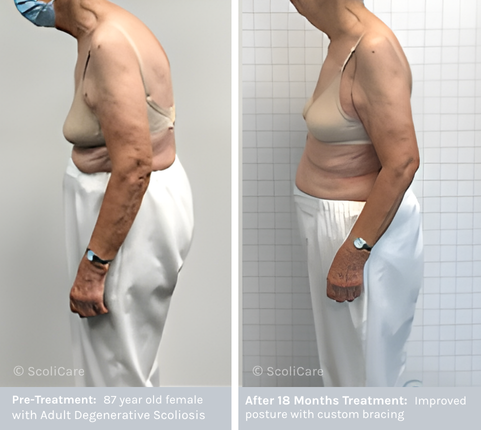
Scoliosis is often thought of as a condition that only affects teenagers. In fact, it can develop at any time. In adults, scoliosis can develop from a previously undiagnosed childhood condition or occur later in life due to degenerative changes in the spine. While some adults experience mild symptoms, others may see the curve worsen over time, potentially affecting mobility and quality of life. Early intervention with custom bracing and scoliosis specific rehabilitation can help manage symptoms and improve quality of life.
What is Infantile Scoliosis?
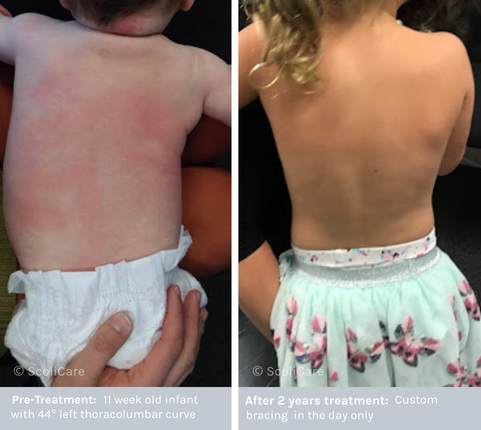
Infantile scoliosis occurs in children under the age of 4, usually presenting as a left-sided curve. While many cases may resolve naturally as the child grows, some can worsen over time, potentially leading to more serious problems. Early detection and intervention are key to preventing progression. Treatment options vary based on the severity of the curve and may include monitoring, casting, custom bracing, and in severe cases, surgery.
What is Adolescent Scoliosis?
What is Juvenile Scoliosis?
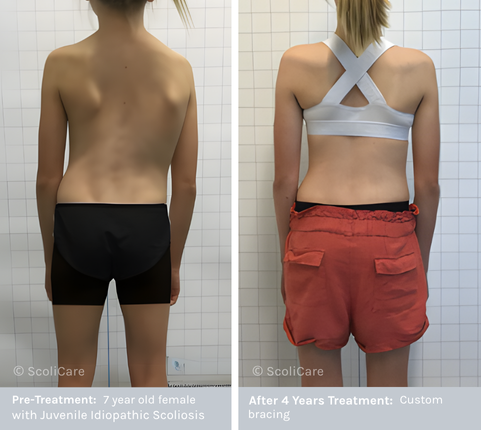
Juvenile scoliosis is a type of idiopathic scoliosis that affects children between the ages of 4 and 10 years of age. It is more common in girls, particularly between ages 6 and 10. The condition often worsens over time, with a higher risk of progression if not detected and treated early. In many cases, treatments such as custom bracing and scoliosis specific exercise rehabilitation are available as evidence-based treatment options for patients with Juvenile Scoliosis.
What is Infantile Scoliosis?
Infantile scoliosis occurs in children under the age of 4, usually presenting as a left-sided curve. While many cases may resolve naturally as the child grows, some can worsen over time, potentially leading to more serious problems. Early detection and intervention are key to preventing progression. Treatment options vary based on the severity of the curve and may include monitoring, casting, custom bracing, and in severe cases, surgery.
What is Scoliosis?

Scoliosis is a spinal condition where the spine curves sideways, forming a “C” or “S” shape. While a slight curve from the side is normal, the spine should appear straight when viewed from the back. Common signs of scoliosis include uneven shoulders, hips, or waist, a tilted posture, back pain, or a visible curve in the spine.
This condition can develop at any stage of life – in babies, children, teenagers, or adults – and early diagnosis is important fortreatment. Regular scoliosis checks can help detect the condition early and support timely intervention and personalised care for better long-term outcomes.
What is Scoliosis?
Scoliosis is a spinal condition where the spine curves sideways, forming a “C” or “S” shape. While a slight curve from the side is normal, the spine should appear straight when viewed from the back. Common signs of scoliosis include uneven shoulders, hips, or waist, a tilted posture, back pain, or a visible curve in the spine.
This condition can develop at any stage of life – in babies, children, teenagers, or adults – and early diagnosis is important fortreatment. Regular scoliosis checks can help detect the condition early and support timely intervention and personalised care for better long-term outcomes.
What is Scoliosis?
Scoliosis is a spinal condition where the spine curves sideways, forming a “C” or “S” shape. While a slight curve from the side is normal, the spine should appear straight when viewed from the back. Common signs of scoliosis include uneven shoulders, hips, or waist, a tilted posture, back pain, or a visible curve in the spine.
This condition can develop at any stage of life – in babies, children, teenagers, or adults – and early diagnosis is important fortreatment. Regular scoliosis checks can help detect the condition early and support timely intervention and personalised care for better long-term outcomes.
The benefits of non-surgical treatment
Scoliosis treatment is highly individual and depends on several factors, including the degree of spinal curvature, the patient’s age, and their lifestyle. Non-surgical scoliosis treatment options, such as scoliosis-specific exercises and custom bracing, may help improve posture, reduce pain, and slow or prevent further curve progression. In more severe cases, scoliosis surgery may be recommended. Consulting with a dedicated scoliosis clinician helps ensure you receive a thorough assessment and a personalised treatment plan tailored to your unique needs.
FAQ’s
Here are some commonly asked questions around Scoliosis and available treatments:
This website is owned and operated by ScoliCare Pty Ltd. It is designed to provide general information about scoliosis care and connect visitors with dedicated scoliosis clinics. For more information, please review the ScoliCare Privacy Policy and Website Terms of Use.